
This post explains trauma, its typical symptoms, and common causes. It helps readers understand how trauma impacts wellbeing and when to seek support.
What is Trauma?
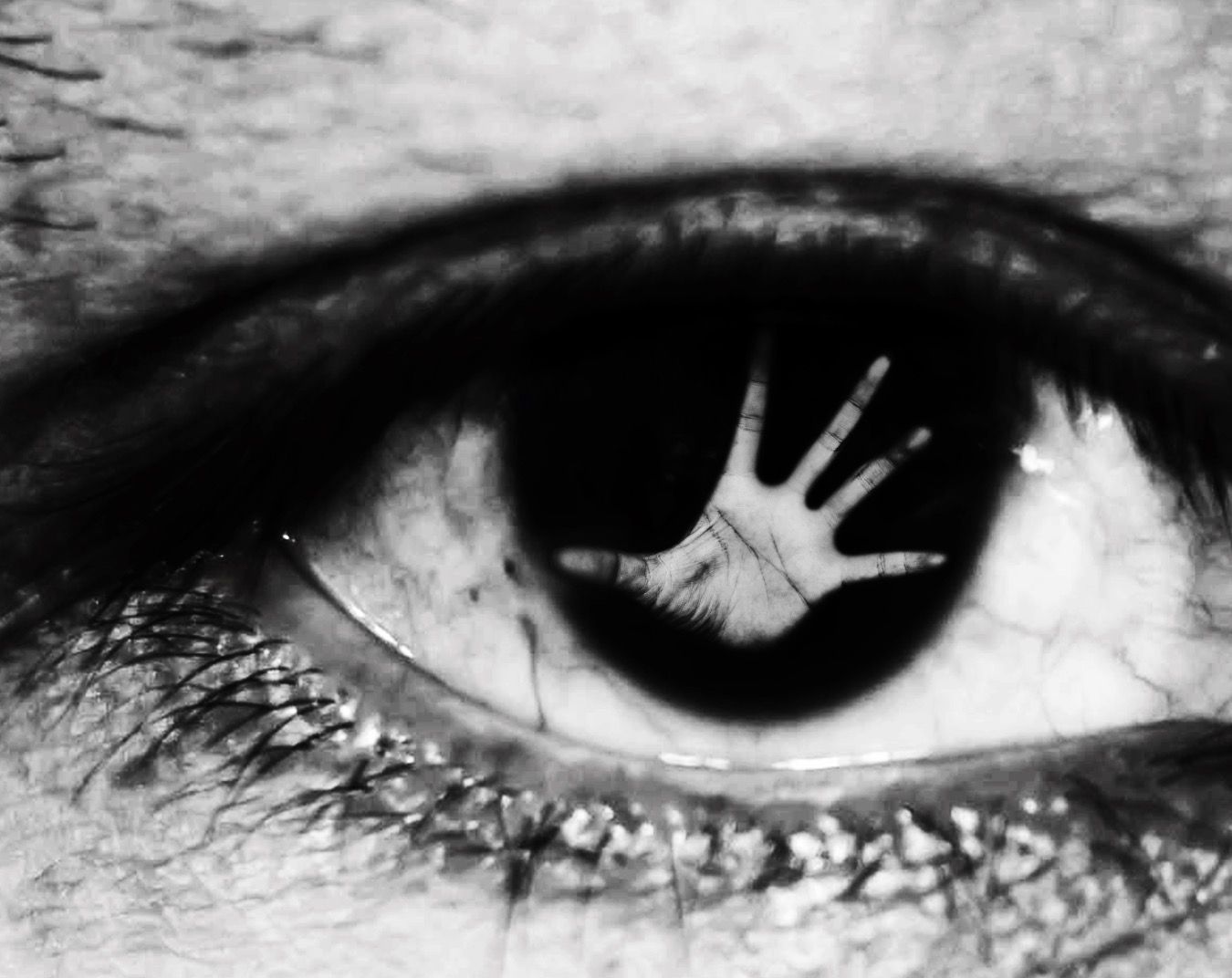
Trauma is a psychological and emotional response to a deeply distressing or disturbing event that overwhelms an individual’s ability to cope. It can result from a single incident or from ongoing, repeated experiences. Trauma can affect how a person thinks, feels, and behaves, sometimes long after the event itself.
Trauma can affect both the mind and body.
Common Symptoms
of Trauma
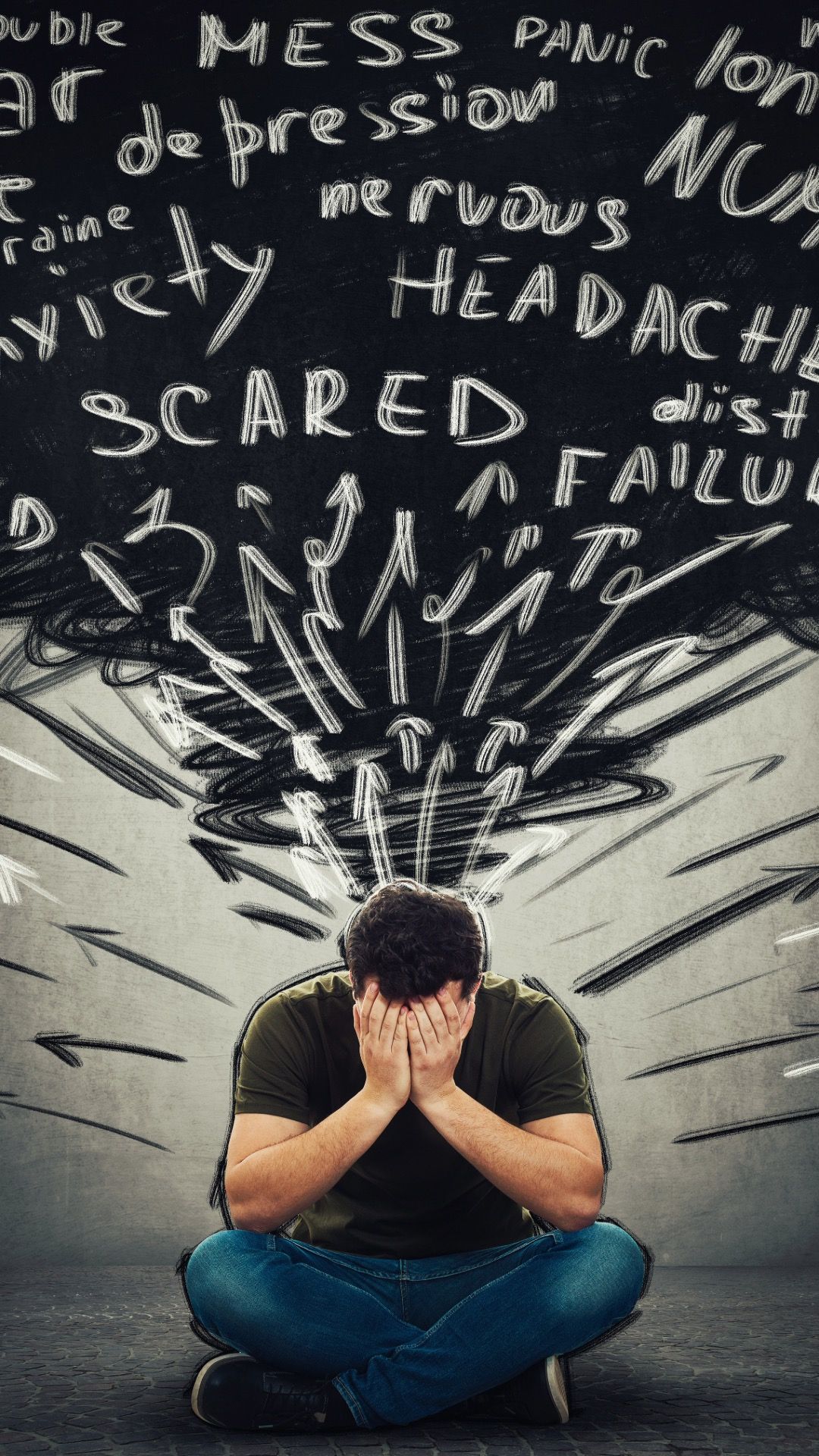
Symptoms may include:

Emotional Symptoms
May include headaches, stomach aches, fatigue, muscle tension, a rapid heartbeat, dizziness, sleep disturbances, and experiencing intrusive memories or flashbacks.
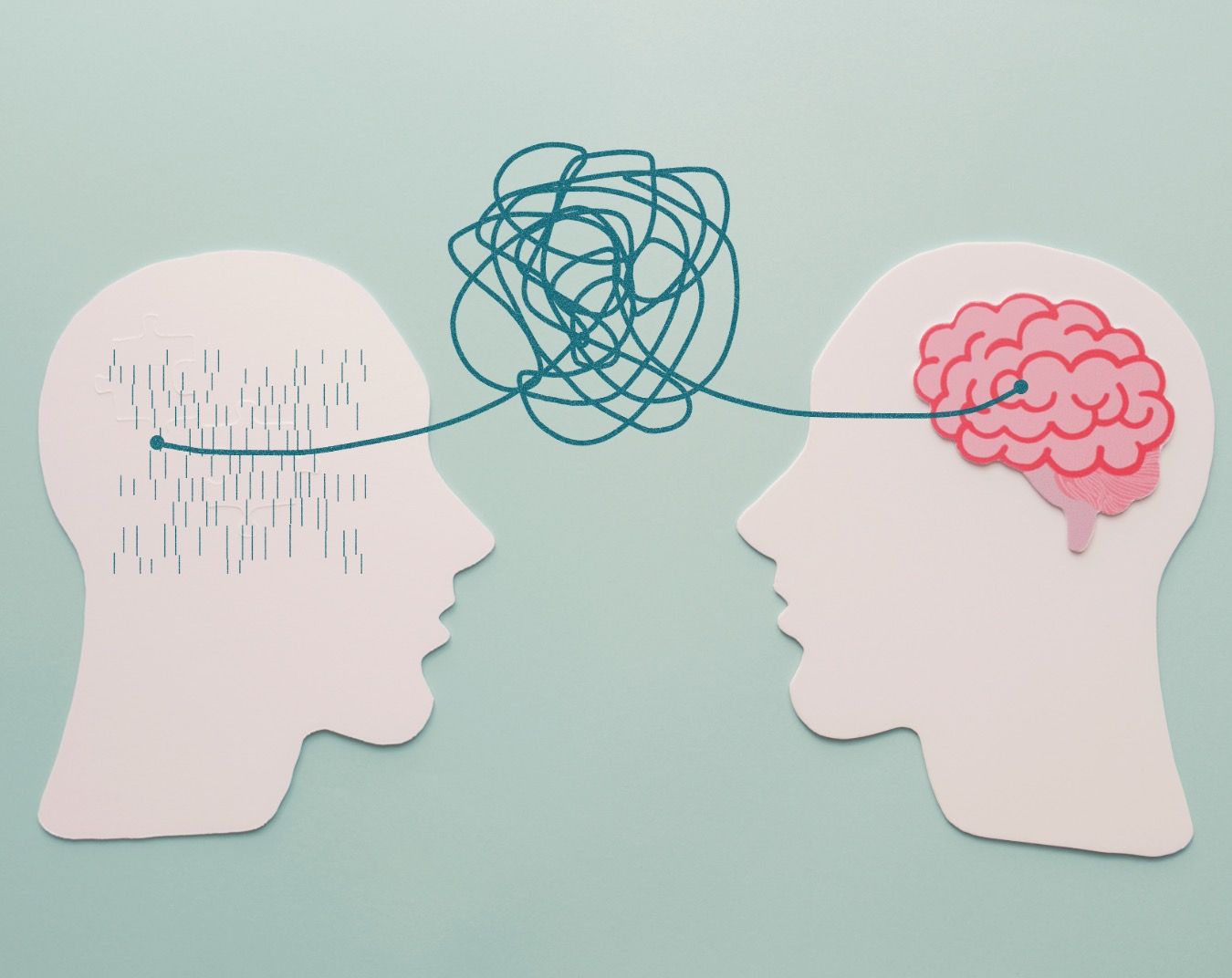
Physical Symptoms
Often involve feelings of numbness or detachment, heightened anxiety or irritability, depression, mood swings, guilt or shame, fear, helplessness, and difficulty trusting others.

Behavioural Symptoms
Can manifest as avoidance of reminders of the trauma, social withdrawal, difficulty concentrating, hyper-vigilance, disrupted sleep, self-destructive behaviour, increased use of alcohol or drugs, and episodes of anger or aggression.
When Does Anxiety Become a Problem?
Anxiety becomes a concern when it is persistent, out of proportion to the situation, or interferes with daily life. If you regularly feel anxious for no clear reason, or if anxiety stops you from doing things you want or need to do, it may be a sign of an anxiety disorder.
Types of Trauma
There are several types of trauma:
01
Acute Trauma
Resulting from a single event, such as an accident or assault.
02
Chronic Trauma
Stemming from repeated and prolonged exposure to stressful events, such as ongoing abuse.
03
Complex Trauma
Involving multiple traumatic events, often of an invasive or interpersonal nature.
Common Causes of Trauma

- Accidents or natural disasters
- Physical, emotional, or sexual abuse
- Loss of a loved one
- Witnessing violence
- Childhood neglect or abandonment
When to Seek Help
If trauma symptoms persist, interfere with daily life, or cause significant distress, it is important to seek professional support.

I’m here to help!
If you recognise yourself in any of the experiences or symptoms described above and would like support, please know you are not alone.
Reaching out can be the first step towards greater understanding and relief. If you are considering therapy or have questions about how support might help, you are warmly invited to get in touch to share your concerns and arrange an initial consultation.
If your symptoms feel overwhelming, you are in crisis, or you are worried about your immediate safety, please contact your GP, NHS 111, or call Samaritans free on 116 123 at any time. Your wellbeing matters, and help is always available.
Disclaimer
The resources and information shared in this post are provided by Suzanna Mackenzie Therapy for general guidance and informational purposes only.
Read More
They are not a substitute for professional counselling, psychotherapy, or medical advice. While every effort is made to ensure accuracy and relevance, Suzanna Mackenzie Therapy cannot guarantee outcomes or be held liable for actions taken based on this content.
As an accredited member of the British Association for Counselling and Psychotherapy (BACP), I adhere to the BACP Ethical Framework, including strict standards for confidentiality and professional boundaries. Any links to external sites or third-party resources are provided for convenience and do not imply endorsement.
If you are experiencing distress or require urgent support, please contact your GP, NHS 111, or Samaritans on 116 123. For personalised advice or therapeutic support, please arrange a consultation.