
This post defines depression, outlines its main symptoms, and explains common causes. It helps you recognise when low mood might be more than just a passing feeling.
What is Depression?
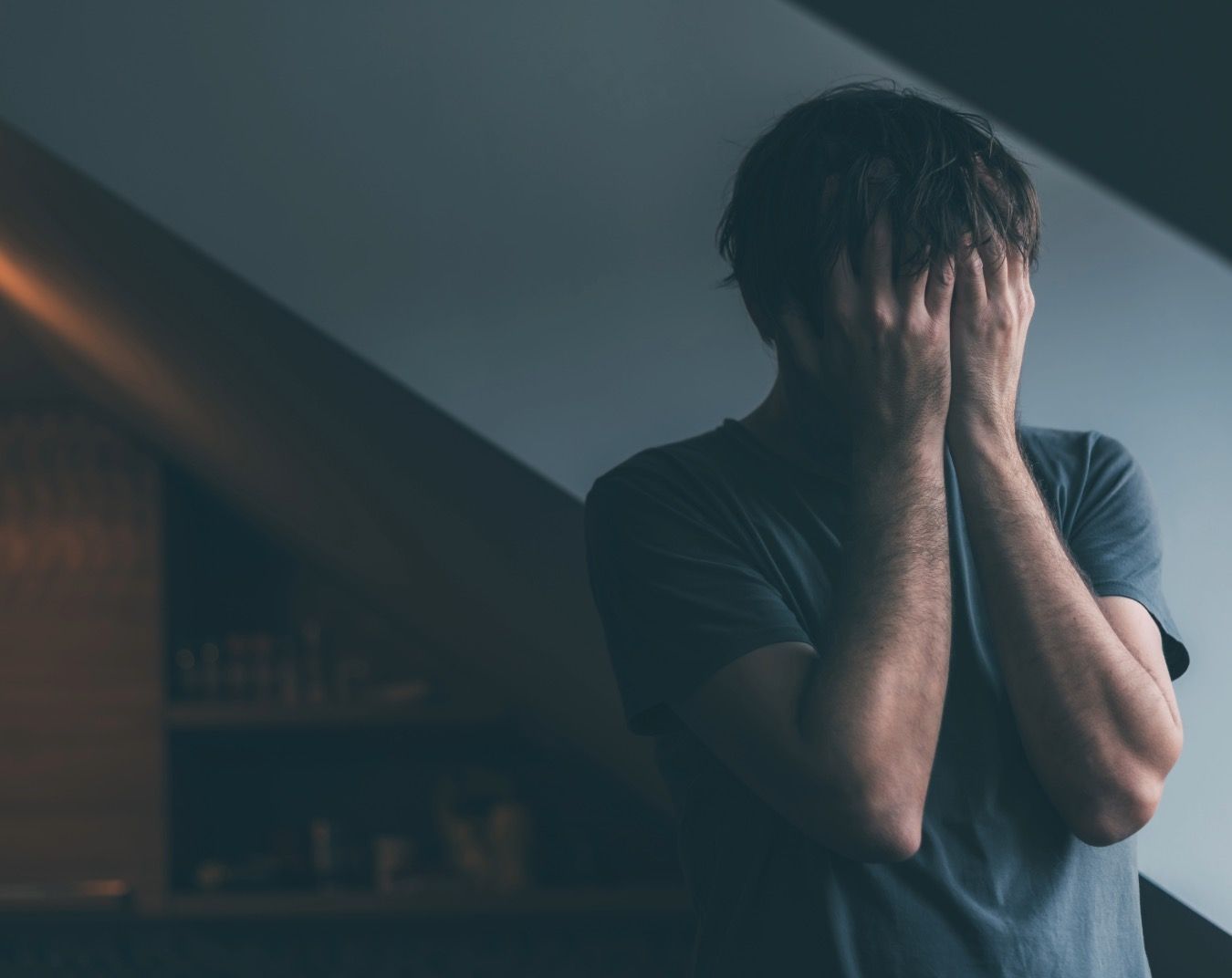
Depression is a common mental health condition marked by persistent feelings of sadness, hopelessness, and a lack of interest or pleasure in daily activities. It is more than simply feeling low or having a bad day—depression can affect how you think, feel, and function.
Depression can affect both the mind and body.
Common Symptoms
of Depression
Symptoms can include:
Ongoing low mood or sadness
Loss of interest or
enjoyment in usual activities
Tiredness or lack of energy
Changes in appetite
or sleep patterns
Thoughts of self-harm
or suicide
Difficulty concentrating
or making decisions
Feelings of worthlessness
or excessive guilt

Possible Causes
Depression can be triggered by a mix of factors, including:
- Stressful life events, such as bereavement or relationship breakdown
- Long-term health conditions or chronic pain
- Family history of depression
- Imbalances in brain chemistry
- Unresolved trauma or ongoing stress
When to Seek Help
If low mood persists for weeks, affects your daily life, or you notice several of the symptoms above, it may be time to seek support from a healthcare professional.

I’m here to help!
If you recognise yourself in any of the experiences or symptoms described above and would like support, please know you are not alone.
Reaching out can be the first step towards greater understanding and relief. If you are considering therapy or have questions about how support might help, you are warmly invited to get in touch to share your concerns and arrange an initial consultation.
If your symptoms feel overwhelming, you are in crisis, or you are worried about your immediate safety, please contact your GP, NHS 111, or call Samaritans free on 116 123 at any time. Your wellbeing matters, and help is always available.
Disclaimer
The resources and information shared in this post are provided by Suzanna Mackenzie Therapy for general guidance and informational purposes only.
Read More
They are not a substitute for professional counselling, psychotherapy, or medical advice. While every effort is made to ensure accuracy and relevance, Suzanna Mackenzie Therapy cannot guarantee outcomes or be held liable for actions taken based on this content.
As an accredited member of the British Association for Counselling and Psychotherapy (BACP), I adhere to the BACP Ethical Framework, including strict standards for confidentiality and professional boundaries. Any links to external sites or third-party resources are provided for convenience and do not imply endorsement.
If you are experiencing distress or require urgent support, please contact your GP, NHS 111, or Samaritans on 116 123. For personalised advice or therapeutic support, please arrange a consultation.